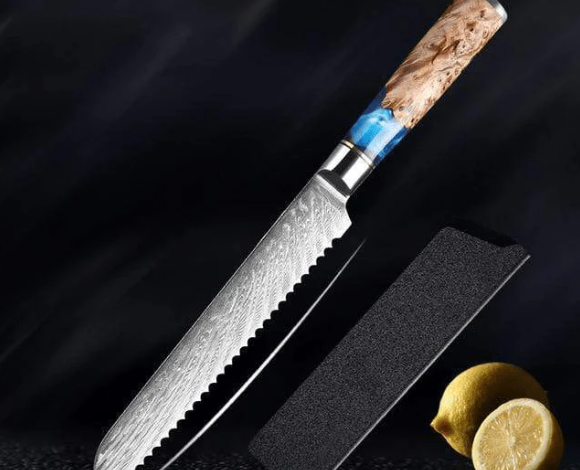
Professional chefs in UK kitchens depend on their knives like painters rely on brushes. A sharp blade transforms cooking from a chore into an art form, delivering precise cuts that enhance both safety and presentation. Yet maintaining that razor-sharp edge through hundreds of cuts per service presents a constant challenge.
The secret lies not in expensive gadgets or mystical techniques, but in understanding the fundamentals of steel, developing consistent maintenance habits, and knowing when to seek professional help. Whether you’re wielding a traditional European knife set or exploring the precision of Japanese knives, these time-tested methods will keep your blades performing at their peak.
This guide reveals the exact techniques professional chefs use to maintain their kitchen knives, from daily honing practices to advanced sharpening methods. You’ll discover how proper care transforms any quality blade into a reliable culinary tool that enhances your cooking for years to come.
Understanding Your Knife Steel and Its Impact on Sharpness
The type of steel in your kitchen knife set determines how well it holds an edge and how frequently it requires maintenance. Carbon steel knives, favored by many professionals, achieve exceptional sharpness but require more careful maintenance to prevent rust. Stainless steel blades offer convenience and corrosion resistance while still delivering excellent performance for UK home cooks.
The Rockwell Hardness Scale (HRC) measures steel hardness, with most quality kitchen knives ranging from 56-65 HRC. Higher numbers indicate harder steel that holds edges longer but becomes more brittle and challenging to sharpen. Japanese knife makers often use harder steels (60-65 HRC) for superior edge retention, while European styles typically range from 56-58 HRC for durability.
Understanding your blade’s steel composition helps you choose appropriate sharpening techniques and maintenance schedules. Harder steels require gentler sharpening approaches with finer grits, while softer steels can handle more aggressive restoration when necessary.
See also: Reasons Why Chef Seniors Searches are Trending and Creating a Wave?
Daily Honing: The Foundation of Sharp Knives
Honing differs fundamentally from sharpening. While sharpening removes metal to create a new edge, honing realigns the existing edge without removing material. Professional chefs hone their knives multiple times per shift, maintaining peak performance throughout busy services.
To hone effectively, hold your honing steel vertically with the tip resting on a cutting board. Position your knife at a 20-degree angle against the steel near the handle. Draw the blade down and across the steel in one smooth motion, maintaining consistent angle and light pressure. Repeat 3-5 times on each side.
The key lies in consistency. Honing once weekly won’t maintain edge alignment through heavy use. Professional chefs develop muscle memory for proper angles, ensuring each stroke contributes to edge maintenance rather than damage.
Quality honing steels make a significant difference. Diamond-coated steels work well for harder Japanese knives, while traditional smooth steels suit most European-style blades. Ceramic rods offer another excellent option, particularly for maintaining stainless steel edges.
Mastering Whetstone Sharpening Techniques
Whetstones represent the gold standard for knife sharpening, offering precise control over edge geometry and finish. Professional UK kitchens often maintain multiple grits: coarse stones (400-1000 grit) for restoration, medium stones (1000-4000 grit) for regular sharpening, and fine stones (6000+ grit) for polishing.
Begin with a properly soaked stone (5-10 minutes for most water stones). Establish a consistent angle—typically 15-20 degrees per side for most kitchen knives. Japanese knives often use sharper angles (15 degrees) while European styles prefer slightly wider angles (20 degrees) for durability.
Maintain steady pressure throughout each stroke, working systematically from heel to tip. Count your strokes to ensure equal work on both sides. Start with coarse grits only if your knife needs significant restoration, then progress through finer stones for the best edge quality.
The “burr test” indicates when you’ve sharpened effectively. Run your finger gently along the spine side of the edge—you should feel a slight raised burr indicating the edge reaches the very apex of the blade. Remove this burr with light strokes on your finest stone or leather strop.
Strategic Knife Storage for Edge Preservation
Improper storage dulls knives faster than heavy use. Throwing knives into drawers allows blades to bang against other utensils, instantly damaging carefully maintained edges. Professional kitchens use magnetic strips, knife blocks, or individual blade guards for good reason.
Magnetic strips offer excellent storage for stainless steel knives, displaying your collection while protecting edges. Ensure the magnetic strength matches your knife weight—too strong can make removal difficult, while too weak risks dropping valuable blades.
Quality knife blocks protect edges while keeping blades easily accessible. Choose blocks with horizontal slots that support the knife spine rather than the edge. Bamboo and hardwood blocks resist moisture and bacterial growth better than synthetic materials.
For drawer storage, individual blade guards prevent edge damage while maintaining organization. This approach works particularly well for UK kitchens with limited counter space, protecting your investment while maximizing storage efficiency.
When to Use Professional Sharpening Services
Even skilled home sharpeners benefit from occasional professional services. UK kitchen knife specialists possess industrial-grade equipment and expertise that surpasses home methods for major restoration work. Professional services excel when blades develop chips, severe dullness, or improper edge geometry from inexperienced sharpening attempts.
Seek professionals who understand your specific knife types. Japanese knives require different approaches than European styles, and specialists familiar with brands like Sakuto knives ensure proper treatment of premium blades. Ask about their sharpening methods—quality services use appropriate techniques for each knife’s steel and intended use.
Most professional chefs schedule professional sharpening 2-4 times yearly, depending on usage intensity. This maintains optimal geometry while addressing minor damage that accumulates despite careful maintenance. Professional services also repair more serious issues like bent tips or severely damaged edges.
Research local services thoroughly. Quality sharpeners maintain proper equipment, understand various steel types, and guarantee their work. Many UK cities offer mobile sharpening services that bring professional expertise directly to your kitchen.
Essential Knife Maintenance Beyond Sharpening
Proper cleaning extends blade life significantly. Hand wash knives immediately after use with warm, soapy water, avoiding dishwashers that can damage handles and dull edges. Dry thoroughly to prevent corrosion, particularly important for high-carbon steel blades that rust easily.
Avoid cutting on hard surfaces like glass, stone, or metal. These materials are harder than knife steel and will dull edges instantly. Quality cutting boards made from wood or appropriate synthetics protect edges while providing stable cutting surfaces.
Oil high-carbon blades lightly if storing for extended periods. A thin coat of food-safe mineral oil prevents rust formation while maintaining edge quality. Stainless steel knives require less protection but still benefit from proper storage and handling.
Regular inspection catches problems early. Check for chips, rolled edges, or loose handles before they require major repair. Addressing minor issues promptly prevents costly restoration and maintains peak performance throughout your knife’s service life.
Transform Your Cooking with Properly Maintained Blades
Sharp knives revolutionize kitchen work, making every cut safer, more precise, and more enjoyable. The techniques professional chefs use—consistent honing, proper sharpening, strategic storage, and regular maintenance—transform any quality blade into a reliable culinary tool.
Start with daily honing using proper technique and consistent angles. Invest in quality whetstones and learn systematic sharpening methods. Protect your investment with appropriate storage solutions, and don’t hesitate to seek professional help when needed.
Your kitchen knife set represents a significant investment in your culinary journey. Whether you’re working with traditional European blades or exploring the precision of Japanese knives, these professional maintenance techniques ensure optimal performance for years to come. Begin implementing these practices today, and experience the difference properly maintained blades make in your UK kitchen.