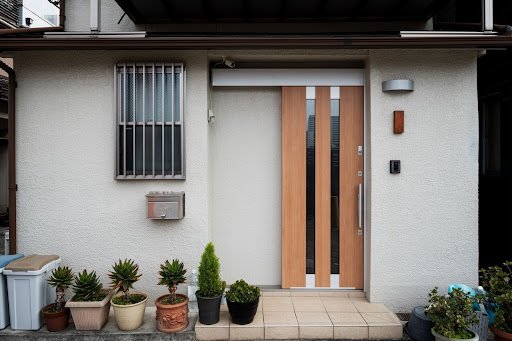
It is not until there is something wrong with your front door that you start to think of it. It had been caught all summer long—I had to give it a shoulder-check as a linebacker to get it out of the shop with provisions. My friends were joking that visiting my house was accompanied by a workout. However, it was only after my contractor insensitively told me, “Yeah, this door just does not fit the frame,” that I realised that I had a problem that I should never have had in the first place.
That led me on a rabbit trail of researching about door sizes and manufacturing specifications and why a front door could be such a complicated issue because of how it could ruin or enhance the functionality of your house. As it turns out, it is not solely about knowing about the standard front door sizes and dealing with reputable door manufacturers: it is all about making that first impression, making your home energy-efficient, and—to be honest—making your life easier.
Decomposing Standard front door sizes
All right, now we ought to be practical. Most front door sizes used in residential houses are usually in a few common sizes. When it comes to single doors, you are normally dealing with a width of 36 inches and a height of 80 inches. That is the middle ground that fits the largest number of homes and will allow easy access of people, furniture, and even big-screen appliances.
Naturally, there are differences. Occasionally, some houses incorporate 32-inch-wide doors, and to be frank, that is a bit claustrophobic. There are also others that have 42-inch doors to be more grand. The combination of double doors can be 60 or 72 inches wide, which creates that spectacular, greeting appearance that is striking.
Business offices and available housing frequently will have broader doorways -36 inches (DAA required) – and can easily be walked into without the user of wheelchairs or people with mobility aids feeling confined. This is gradually turning into a norm even in residential construction, which only makes sense. Why not be able to build it so as to be accessible?
Knowing these dimensions at home, prior to undertaking any renovation or replacement project, is such a saving in terms of hassle. Once you are familiar with the regular measurements, you can easily shop, be able to compare correctly when evaluating the available options, and make certain that your new door will really fit without having to incur the cost of custom framing. Also, the size matters as far as energy conservation is concerned: a properly sized door with appropriate weatherstripping ensures an airtight seal that keeps your climate-controlled air in its place.
What the Quality Door Manufacturers do bring to the Table
I used to believe that all doors are the same kind of doors, some made of wood, some of metal, etc. Next I began to do some research on door manufacturers, and I could see how unsophisticated such an attitude was. The modern manufacturers are working with advanced engineering, material science and design innovation, which would not only blow your mind.
The most successful manufacturers do not even think of the things that are in the minds of the majority of homeowners. Awkward weather resistance that supports even in the harsh winters and hot summers. Aluminum frames that are thermally insulated. Lock screens that really discourage break-ins. Finishes that will not fade, peel or have to be maintained.
Sustainability has gone gigantic as well. Responsibly sourced materials, energy-efficient production processes, and the manufacture of doors that help your home to perform better in energy are used by reputable manufacturers. It is not merely feel-good marketing but rather the creation of products that make sense in an environmental and economic sense.
Such firms as Hotian Windows are an example of such an approach. They are not simply producing generic doors; they are creating solutions that will have a balance between aesthetics, durability and performance. Their quality control mechanisms result in uniformity; thus, it is not Russian roulette when it comes to whether your door will last long or not.
Matching Your Door to Your Home’s Personality
Here’s where things get fun. Once you’ve nailed down the sizing, you get to think about style. And modern doors? They’re incredibly versatile.
Wood doors have that classic, timeless appeal—warm, traditional, and elegant. They can be stained or painted, and quality wood doors age beautifully. The downside? They require more maintenance and can be pricey.
Aluminum doors are my personal favorite for modern homes. They’re incredibly durable, weather-resistant, require almost zero maintenance, and have that sleek, contemporary look that’s so popular right now. Plus, aluminum frames can be powder-coated in virtually any color, so customization is easy.
Composite doors combine different materials to get the best of all worlds—the look of wood with the durability of modern materials. They’re energy-efficient, low-maintenance, and surprisingly affordable.
Then there’s the whole design element: glass panels for natural light, solid doors for privacy, sidelights for that grand entrance feel, and decorative hardware that makes a statement. The options are genuinely endless, and this is where working with experienced manufacturers really pays off. They can guide you through options that match your home’s architecture while meeting your practical needs.
Choosing Your Door Partner Wisely
Not all door manufacturers are created equal, and this is one area where going cheap can cost you big time down the road. Here’s what to look for:
Warranty coverage that’s actually meaningful—at least 10-20 years on materials and finish. Material options that suit your climate and aesthetic. After-sales support because inevitably you’ll have questions or need adjustments. Reputation and certifications from industry organisations that verify quality standards. Customisation capabilities for when standard sizes don’t quite work for your unique situation.
Working directly with reputable door manufacturers ensures you’re getting products that will actually last. These companies have their reputations on the line with every door they produce, which means quality control matters to them.
Investing in an Entrance That Welcomes You Home
Looking back on my sticky-door saga, I realise how much a properly sized, well-manufactured door impacts daily life. It’s not just about avoiding frustration—though that’s certainly nice. It’s about coming home to an entrance that works beautifully, looks amazing, and makes you feel good every single time you walk through it.
Whether you’re replacing an old problematic door like I did or designing a new build from scratch, taking the time to understand standard door sizes and partner with quality door manufacturers is one of the smartest investments you can make. Your front door is literally the gateway to your home—it deserves to be done right.
Companies like Hotian Windows deliver precision-engineered doors that redefine your home’s welcome, combining proper sizing, quality materials, and thoughtful design. Because at the end of the day, your entrance should invite you in, not make you break a sweat just getting inside.