
ByJohn A
Wearable Technology: Computing on the Go
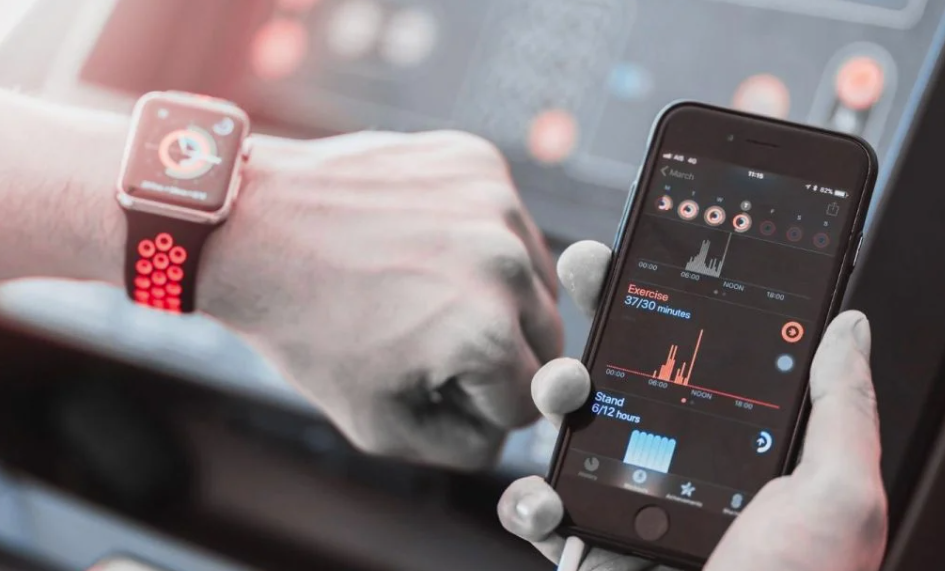
Wearable technology enables computing on the go, turning the body into a processing platform. Devices promise continuous sensing, real-time insight, and hands-free operation. Advances in microchips, materials, and haptic feedback push form factors toward lighter, more durable designs. Yet privacy, battery life, and secure data handling remain essential to sustaining trust. As interfaces blur lines between convenience and necessity, the next moves will test how seamlessly wearables integrate into daily life and work.
Wearable Technology: Computing on the Go
Wearable technology has transformed daily computing by placing powerful sensors and processors directly on the body, enabling continuous data collection and real-time insight.
This mobility fuels innovation in microchip materials and haptic feedback, driving lighter, more durable devices.
The trajectory favors seamless interfaces, empowering users with autonomy and choice while ensuring secure, adaptable experiences across varied environments and activities.
Freedom embraces computation-on-the-go.
Evaluating Wearables for Health, Navigation, and Productivity
Evaluating wearables for health, navigation, and productivity requires a disciplined framework that weighs accuracy, usability, and interoperability across contexts. Devices must deliver reliable health tracking and navigation accuracy while offering meaningful productivity tools. Battery life, design ergonomics, and novelty features shape daily adoption, yet privacy concerns and data security constrain freedom. Informed choices balance performance, data handling, and user autonomy for future wearables.
See also: bonusturf9
Hands-Free and Connected: Using Wearables in Daily Life
With hands free and eyes on the world, wearables increasingly blur the line between convenience and necessity, enabling seamless interactions while maintaining situational awareness.
Devices become subtly empowered assistants, accelerating tasks without distraction.
This connectedness focused trend supports autonomous routines, voice and gesture controls, and instant access to information, fostering freedom from traditional interfaces while promoting fluid, safer, and more productive daily life.
Privacy, Battery Life, and Future Trends in Wearable Technology
Privacy considerations, battery longevity, and emerging trajectories shape wearable technology as it scales from novelty to necessity.
The discourse centers on privacy erosion and device resilience, prompting designers toward rigorous safeguards and consent-centric models.
Battery optimization remains pivotal, driving efficient sensors and adaptive power management.
Future trends in wearable technology signal seamless integration, autonomous analytics, and user autonomy, redefining freedom without compromising trust.
Frequently Asked Questions
How Do Wearables Impact Long-Term Mental Health Outcomes?
Long term mental health outcomes depend on balanced wearables use; the wearable impact hinges on data accuracy, user autonomy, and supportive interfaces. They may empower, reduce anxiety through feedback, yet risk overreliance without clear boundaries and privacy protections.
Are Wearables Compatible With Non-Mainstream Operating Systems?
Wearables compatibility varies; some devices support non mainstream operating systems through open APIs, community firmware, or compatibility layers. Non mainstream operating systems widen choice but may limit official app ecosystems, updates, and guaranteed security, prompting cautious, freedom-seeking adoption.
What Are the Hidden Costs of Wearable Subscriptions?
Hidden costs of wearable subscriptions include ongoing fees, limited feature access, and hardware depreciation. Subscription fatigue rises from perpetual payments, privacy concerns grow with data sharing, and data ownership becomes ambiguous, challenging user control and freedom over personal information.
How Accurate Are Wearables for Non-Medical Activities?
Wearables show variable accuracy for non-medical activities, often approaching accuracy benchmarks in basic steps, distance, and sleep tracking, while consumer precision fluctuates with device, activity, and user; ongoing improvements promise dependable, freedom-oriented performance without overclaiming.
Can Wearables Influence Workplace Productivity Metrics Legally?
Wearable ethics and data ownership shape legality: wearables can influence workplace productivity metrics if used transparently with consent, but strict compliance is required. Companies must clarify data access, purpose, retention, and employee rights to maintain freedom and trust.
Conclusion
Wearables redefine daily rhythm, turning data into directional insight without demanding attention. As one cyclist noted, a smartwatch guided him through a crowded city as if a quiet co-pilot; a single battery-smoothed charge kept momentum. Data shows sensors deepening health and navigation signals, yet privacy and power remain the hinge—demanding design discipline and transparent policies. Looking ahead, wearables will blend seamlessly with work and life, expanding autonomy while preserving trust and secure data handling.